A Passcode Routine for Retrieval, Fluency, and Relationships


To help with knowledge retention and to build in more repeated practice, I started using a fluency passage that I call “passcode.” My students read it to me 1 on 1 as they enter my classroom during our 30 minute breakfast/homeroom time.
My passcodes are focused on the previous week's skills plus 1 or 2 words from the upcoming week. Each week’s passcode stays the same Monday-Friday.
I use my UFLI guidebook to help me come up with what words I will include in the passage, and I sometimes add in some of my own.
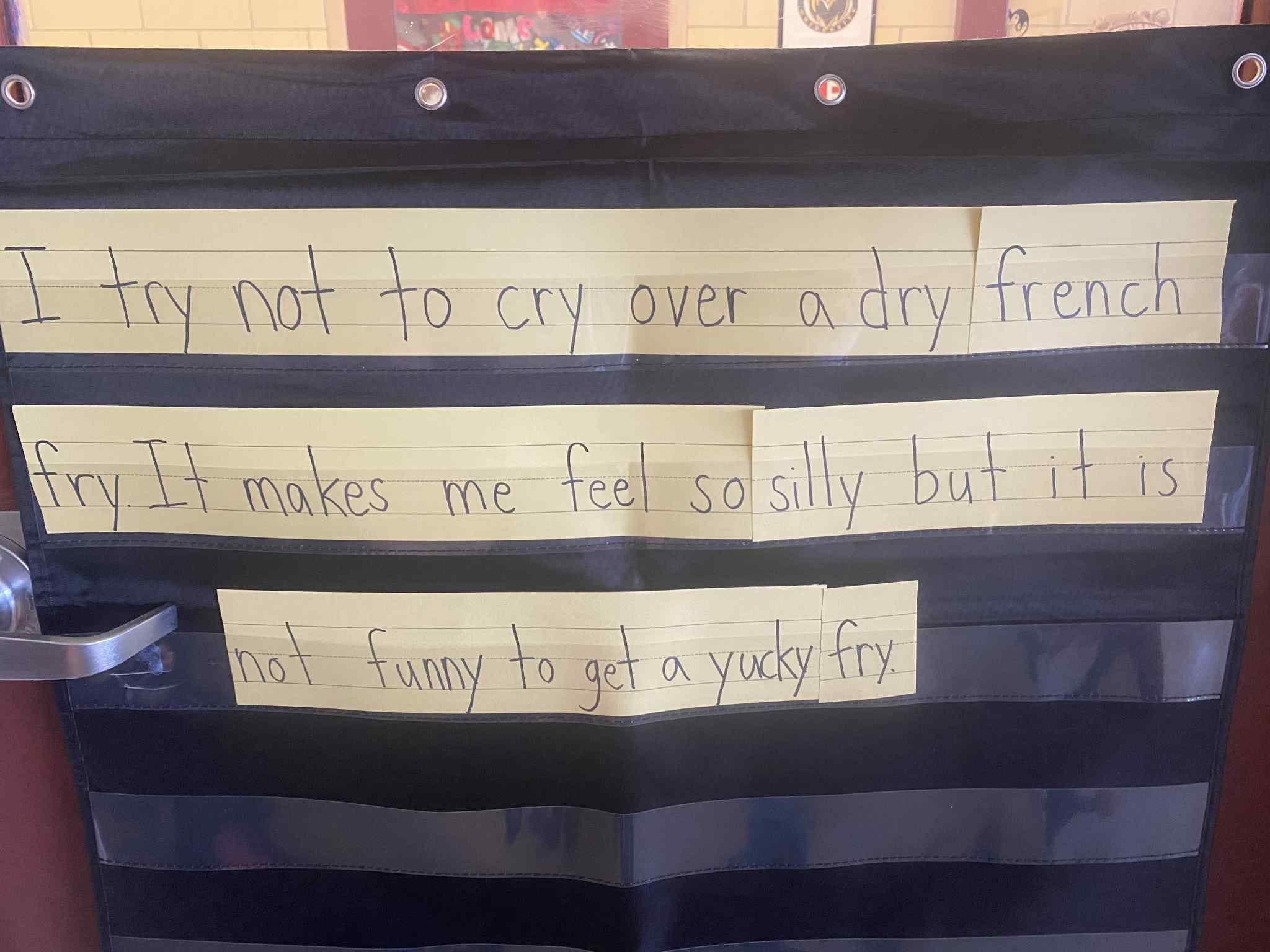
Here is what one passage looked like last April, around three quarters of the way through the school year.
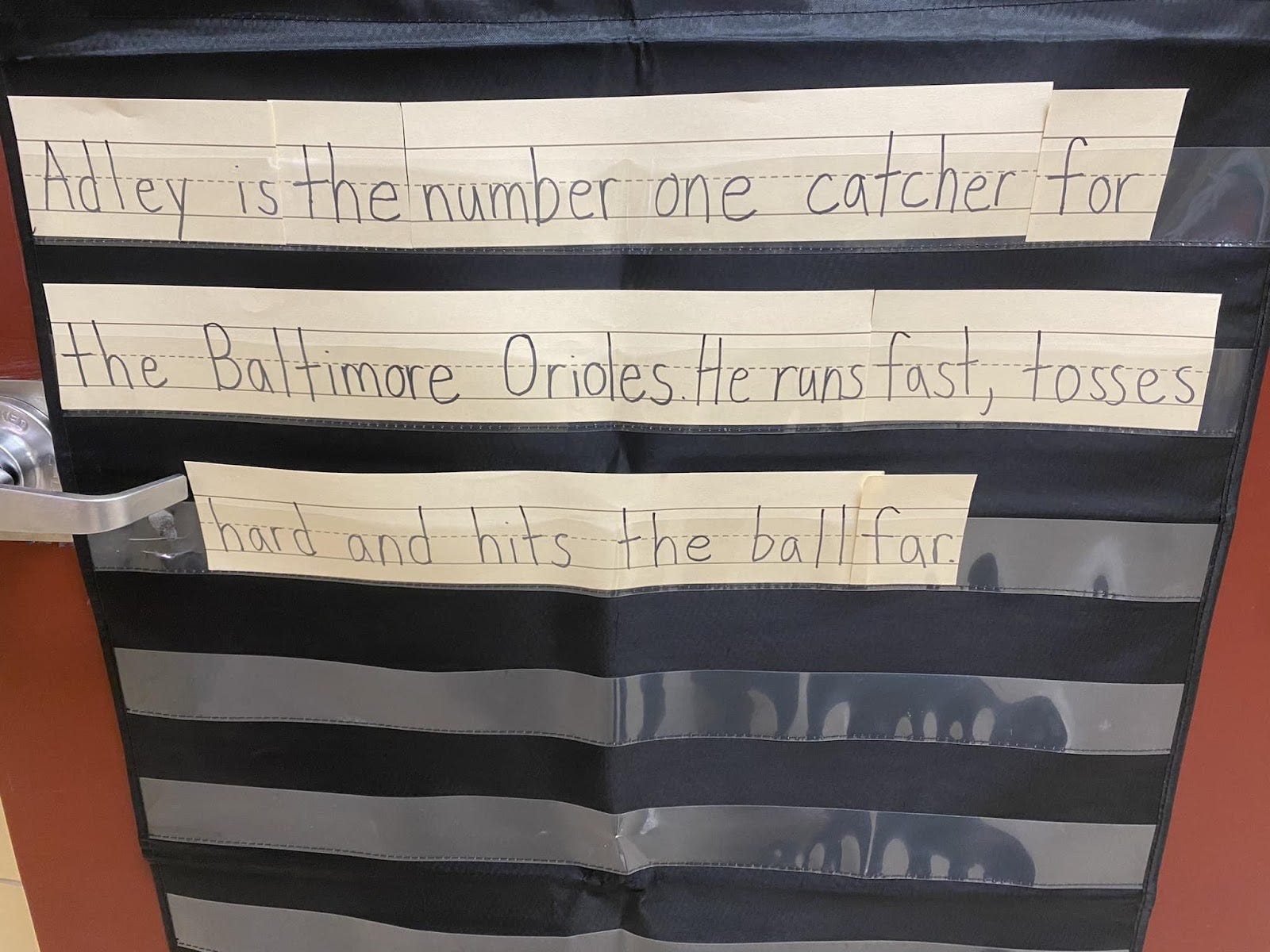
When my students become fluent with more and more sound patterns and are reading more words per minute, I’m able to write longer and more complex passcodes for them to read.
That is April, though. What does passcode look like in September? To help showcase this, I recorded my morning routine on Day 8 of the school year. You can watch what it looks like below.
As you can see, my students are just naming the letter and sound for the 3 graphemes I have taught thus far. Some of my students need assistance from me to recall these letters and sounds. We are a long way from that April passage, but we will get there.
In about two weeks, my students will know 6 graphemes and begin reading CVC words built out of these graphemes. By November, my students will know all 26 graphemes and will be reading short simple sentences. As their reading becomes more automatic, the sentences will grow longer. As their phonics knowledge becomes more developed, the words will become more complex.
Eventually, many of my students will be reading 50+ words per minute, and they will read their morning passcode like the April one above much faster than they read the 3 graphemes I showed them on day 8.
By setting the routine now, I’m giving my students a framework for additional practice that will remain the same for the entire year ahead. It’s also a time to check-in individually and build relationships with each student, as I warmly greet them and shake their hand as they read the passcode.
This is one small example of what I was speaking to in my previous post, where I discussed how skills will change, but routines will remain the same from Day 1 to Day 180 in my kindergarten classroom.
Fred Rogers once said, “deep and simple is worth so much more than shallow and complex.” Rather than embracing the shifting tides of trendy activities day to day with my students, I believe in the power of embracing deep and simple routines that we can commit to for an entire year, routines that make each day predictable, psychologically safe, and productive.
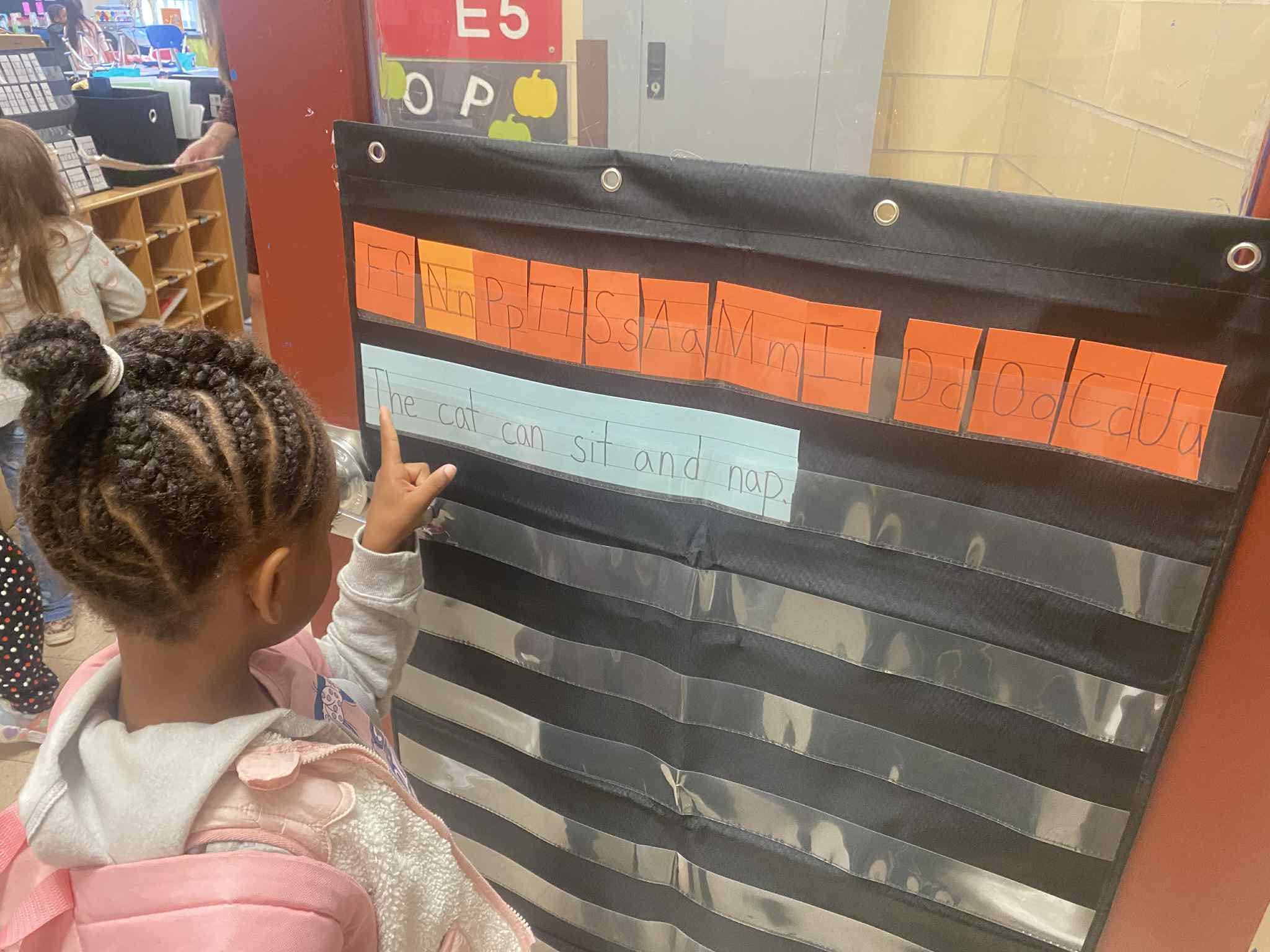
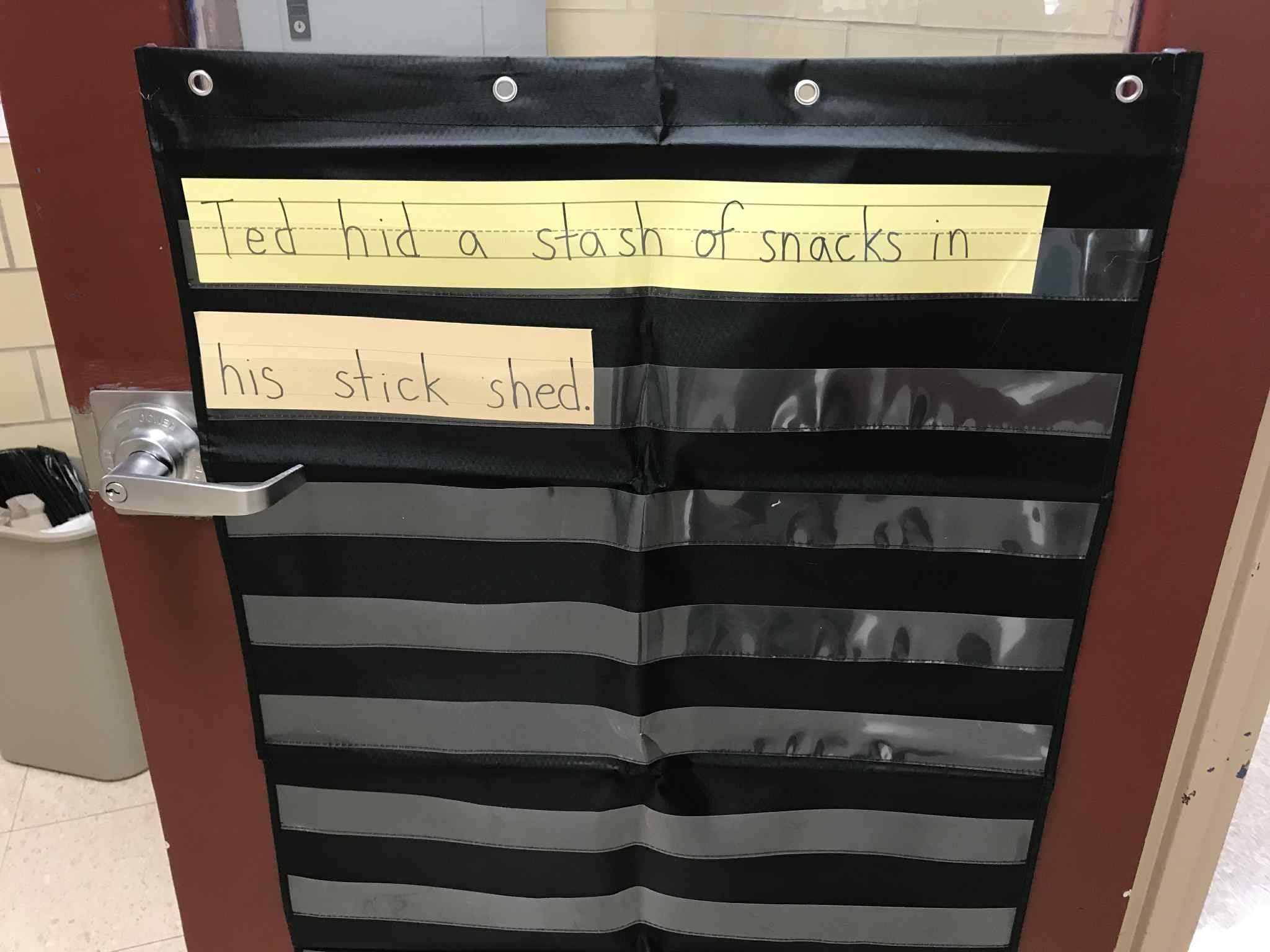
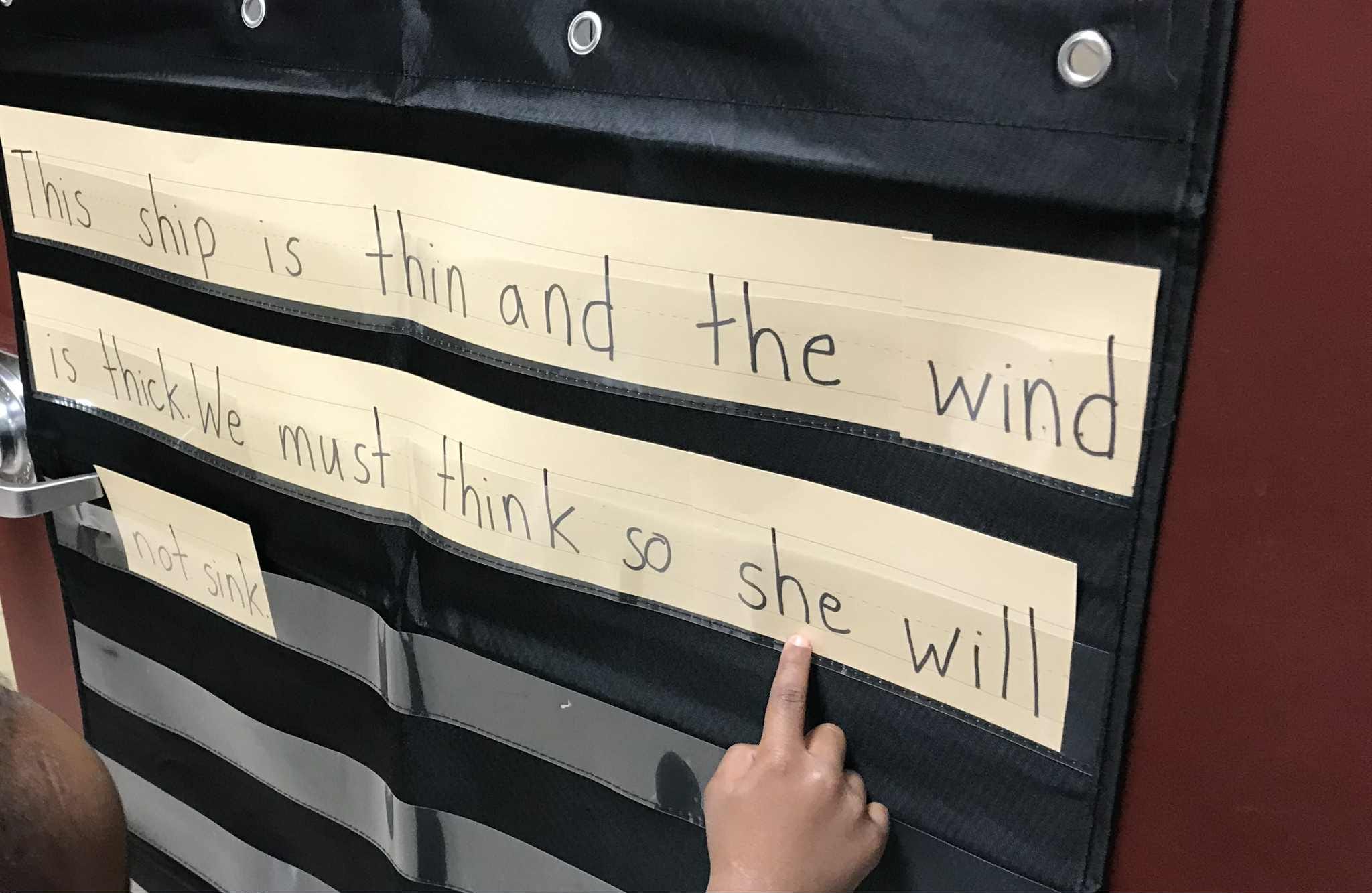
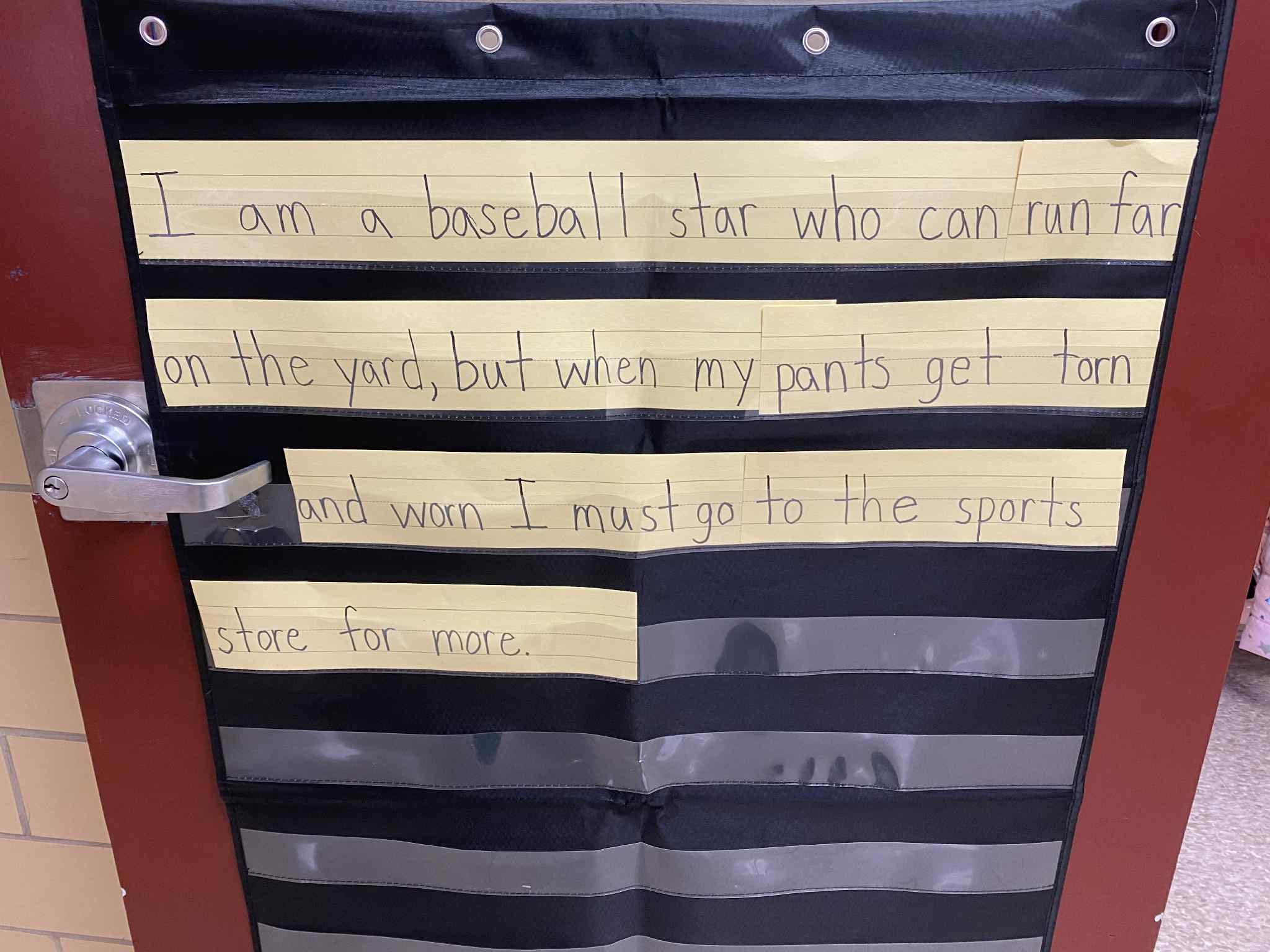
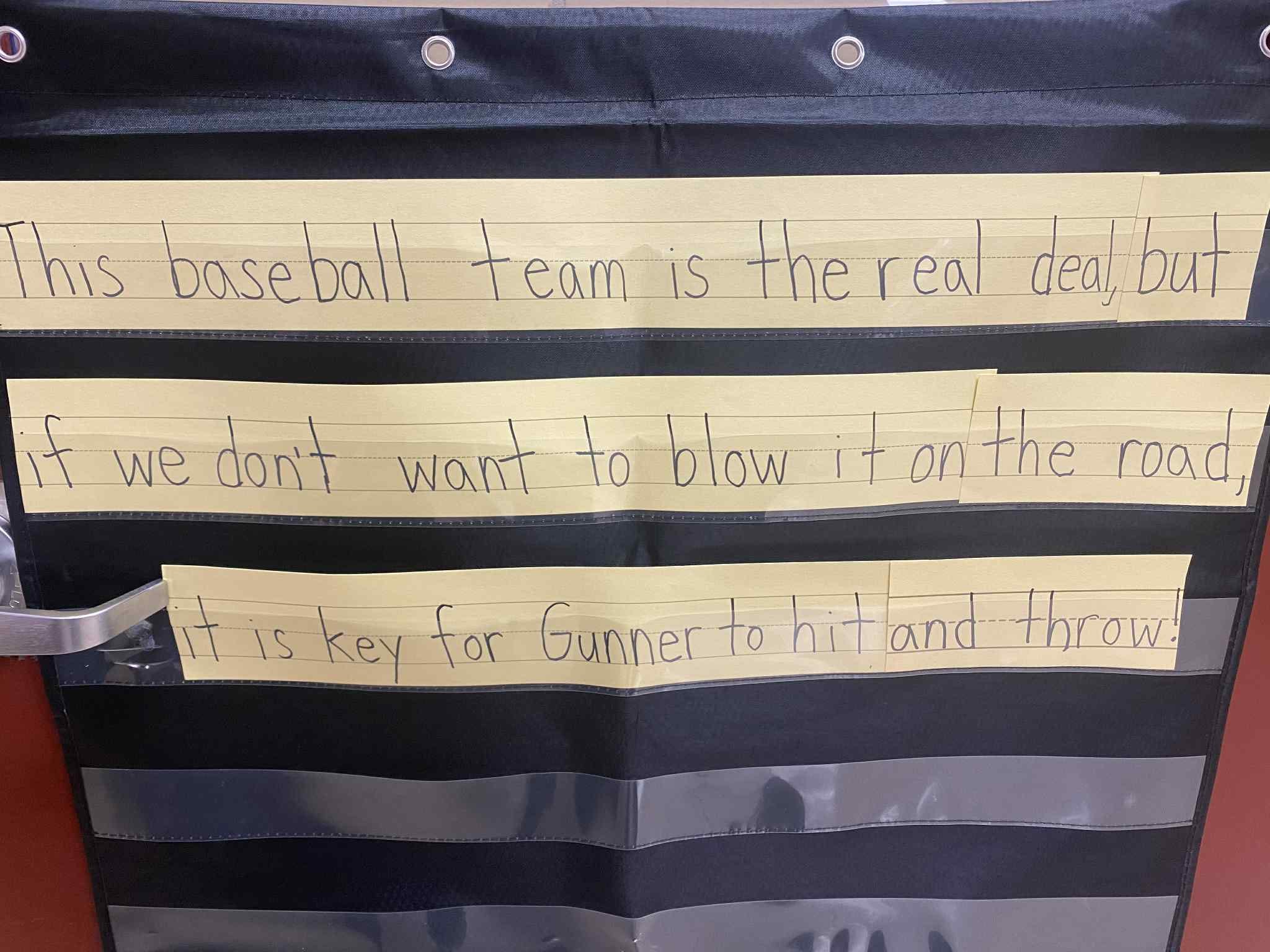
You can see pictures of passcodes throughout last year down below. If you have any thoughts or questions, or if you have a simple daily routine for practice in your classroom, please share about them down below.
In Solidarity,
Jacob
 | A guest post by
|
Love your video and especially your enthusiasm and encouragement of oral language!!
Powerful and consistent routines are definitely the way to go! Thanks for sharing examples of what your passcode looks like as the year progresses.