How Retrieval Practice Changed My Teaching


It started with our first Goyen fellowship meeting.
Our first month centered around the Science of Learning, specifically on retrieval practice. I sat there listening, thinking to myself, This is so seemingly obvious, easy to implement, and high impact… so why wasn’t I doing it?
I realized that despite all my experience and knowledge, I wasn’t consistently using the best evidence-based practices to support how the brain actually learns. And I decided to change that the very next day.
The “Low-Lift” Shift
The best part about retrieval practice? I didn’t need to attend a week-long intensive training, buy new materials, or spend hours prepping. I could implement these ideas and impact my students immediately.
The next morning, I looked at my curriculum and identified moments where I could stop telling and start asking. Some of this even just came to me on the spot. Instead of me standing at the front summarizing what we learned yesterday, I asked them to pull that information out of their own heads.
That meeting occurred on Sunday night, and within that next week of school I started incorporating…
Brain Dumps: Giving students a blank slate to write down everything they remember about a topic.
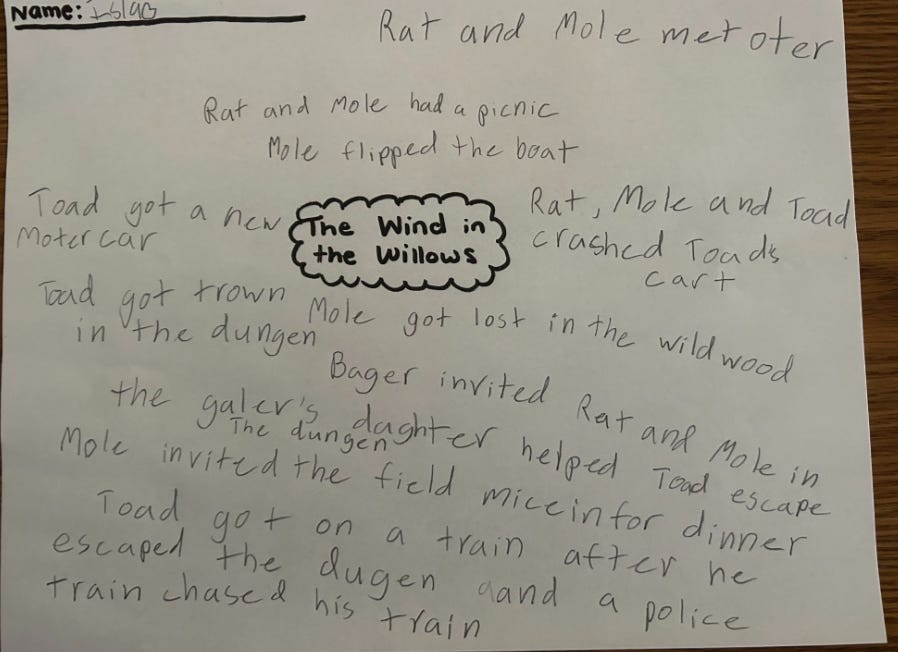
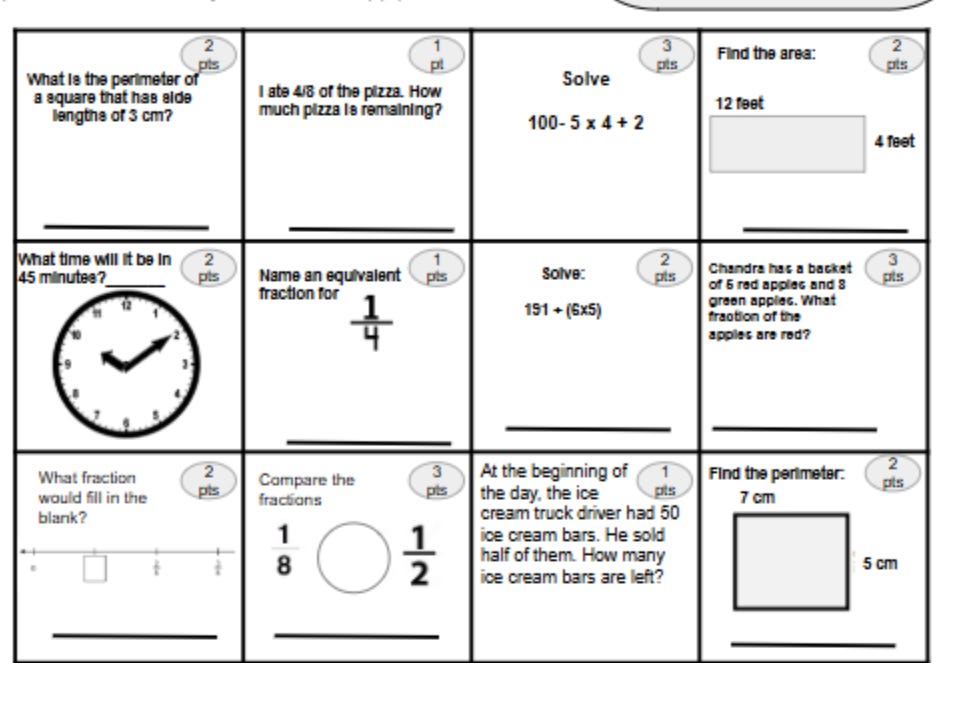
Retrieval Grids: Quick ways to review previously learned material
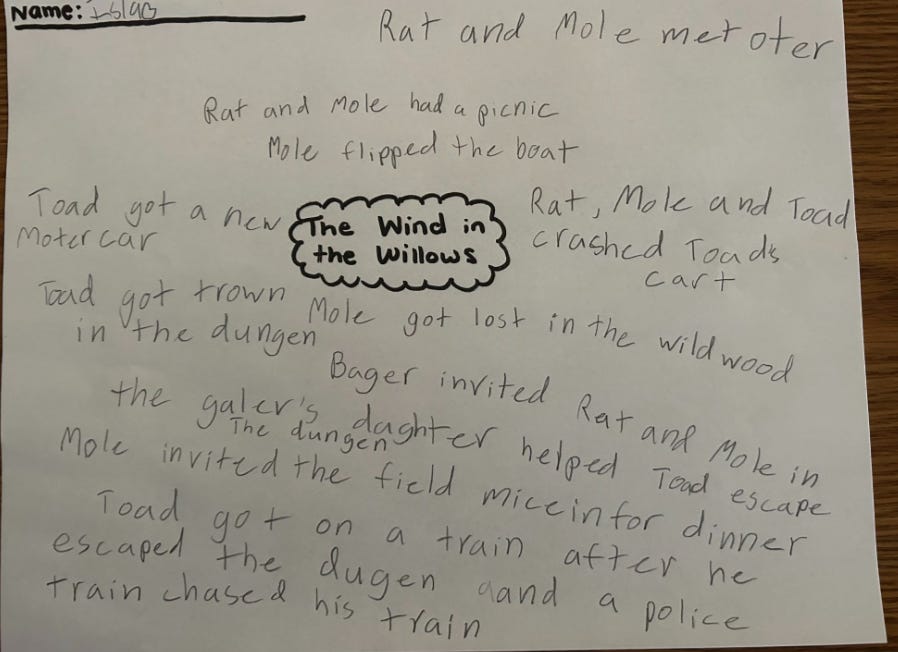
Intentional Turn-and-Talks: Adding ways to show responses to make sure every single student was participating and participating in retrieval
Positive effects started occurring almost immediately. Learning was sticking in long term memory.
Why aren’t we all using this?
As I continued down this Science of Learning rabbit hole (now listening to podcasts every minute I get and wanting to get my doctorate in the science of learning even though I told myself no more school for a while…), I started to think back to my own experiences in school. I remembered the things that are still stuck in my brain today and the study habits that actually worked (even if I hated them at the time).
It took me back to one of my favorite college courses—The Psychology of Learning. It all felt so full circle. This is how science has proven the brain learns best. When you realize how low the barrier to entry is for these strategies, it makes you wonder why we aren’t all teaching this way by default.
As I was seeing such success with this, I slowly started to expand it. I mentioned these shifts to my principal, and she ended up sharing some of the ideas in our weekly teacher newsletter. I shared the strategies with my grade level team and we collaborated on new ideas. By November, one of my colleagues and I teamed up to present a session at our annual Teaching and Learning Summit. I also spoke about retrieval practices as part of a TableTalk for The Teacher’s Table.
The feedback from other teachers was the most rewarding part. They loved that it wasn’t another “overwhelming PD” full of things we don’t have the time or capacity to actually do. It was just real, manageable changes that actually work.
Seeing the impact in my own classroom has been a game-changer. It’s a reminder that we don’t always need to reinvent the wheel; evidence based practices exist for a reason, and sometimes the tiniest change can make the biggest difference.
I’m excited to keep diving deeper into this. If we can make these “small” changes across every classroom, the impact on student learning could be massive.
 | A guest post by
|
This is a good strategy! I could try this with the adapted curriculum I teach.
I love how you are sharing your learning and experiences with others and helping them improve their practice. I think that even in very successful systems, this teacher to teacher learning is a powerful driver. It is absolutely essential in poor systems.